
Photorealism
About my work
What is Photorealism?
Photorealism developed in the late 1960s and ’70s in reaction to Abstract Expressionism, which had dominated art since the 1940s. This style often seems more real than reality, where no detail is left out and no flaw is insignificant. Photorealist painting cannot exist without the photograph. In Photorealism, change and movement must be frozen in time which must then be accurately represented by the artist. Photorealists gather their imagery and information with the camera and photograph. Once the photograph is developed (usually onto a photographic slide) the artist will systematically transfer the image from the photographic slide onto canvas. Usually, this is done either by projecting the slide onto the canvas or by using traditional grid techniques. The resulting images are often direct copies of the original photograph but are usually larger than the original photograph or slide. This results in the photorealist style being tight and precise, often with an emphasis on imagery that requires a high level of technical prowess and virtuosity to simulate, such as reflections in specular surfaces and the geometric rigor of man-made environments.
Some artists copy photographs by projecting them onto a canvas to accurately capture precise details. Others do it freehand or use a grid system to enlarge a print or photo.
Why using photos?
Create unique art by using your own memories
Create beautiful memories
Take pictures of your favorite places and people or simply immortalize beautiful, unique moments of your life
Turn your pictures into art
Painting after a picture creates a unique feeling of creating art, but also capturing special moments in the life of my clients
Hang your painting on the wall
By turning your pictures into paintings you will be guaranteed to have a personalized piece of art on the wall that has sentimental value to you
Gallery
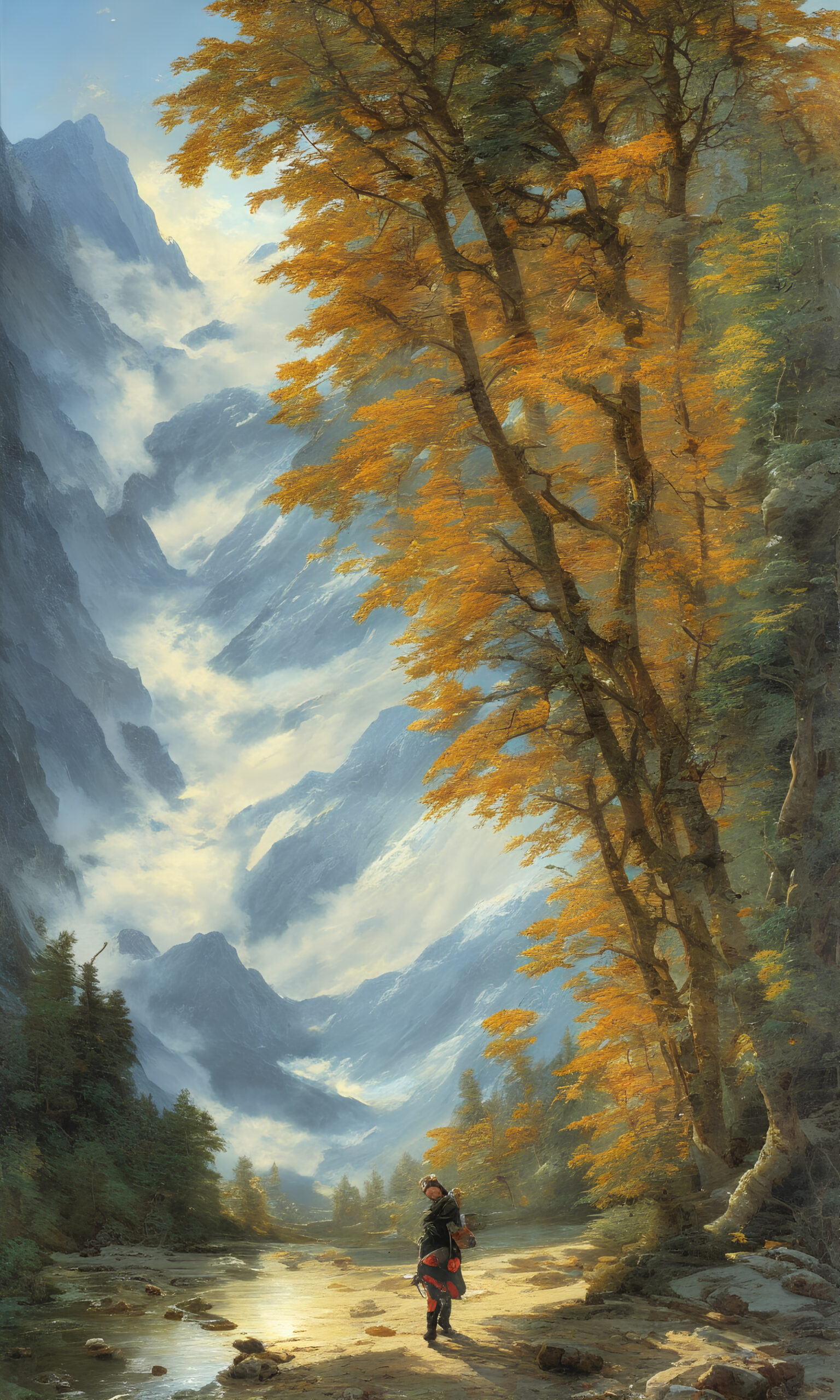
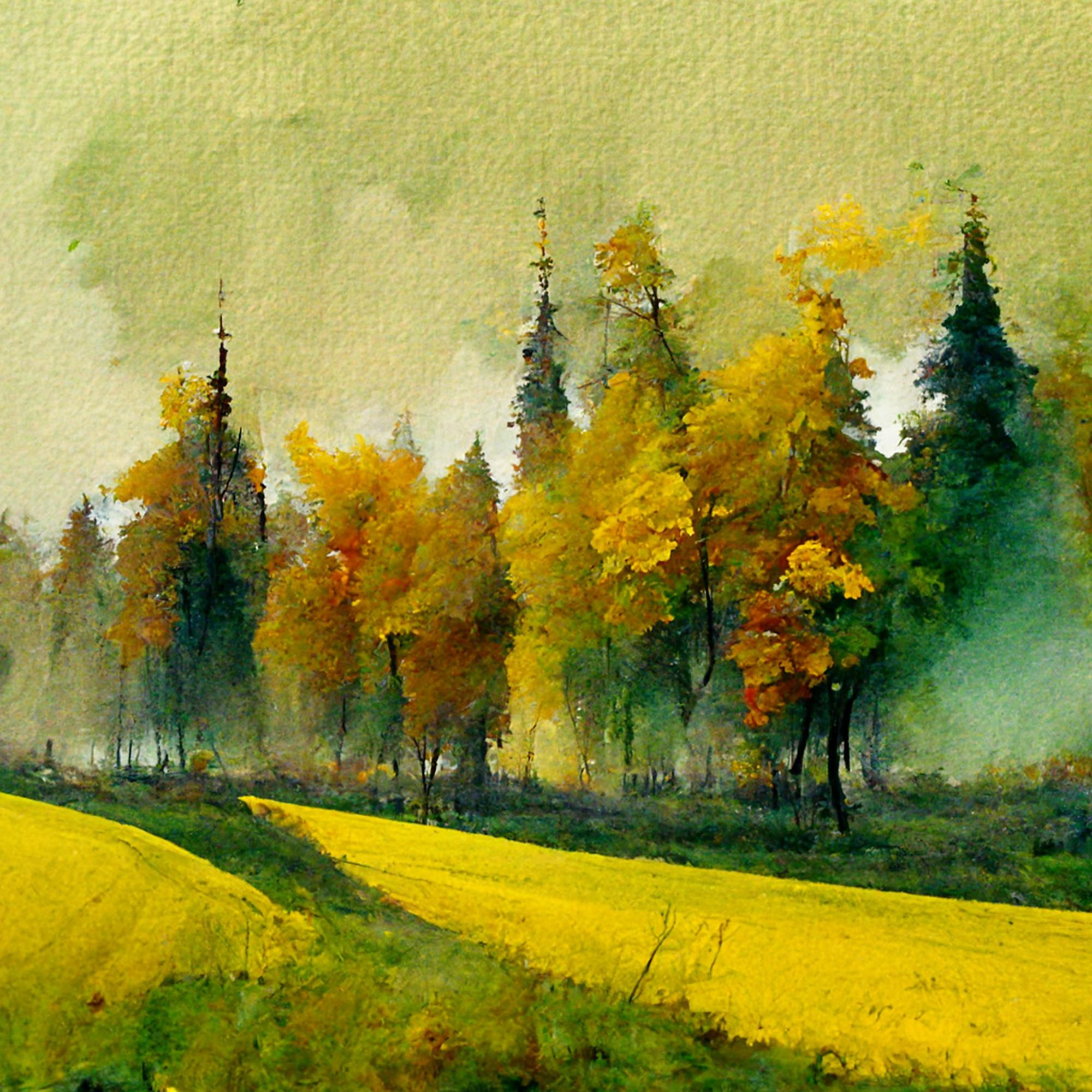
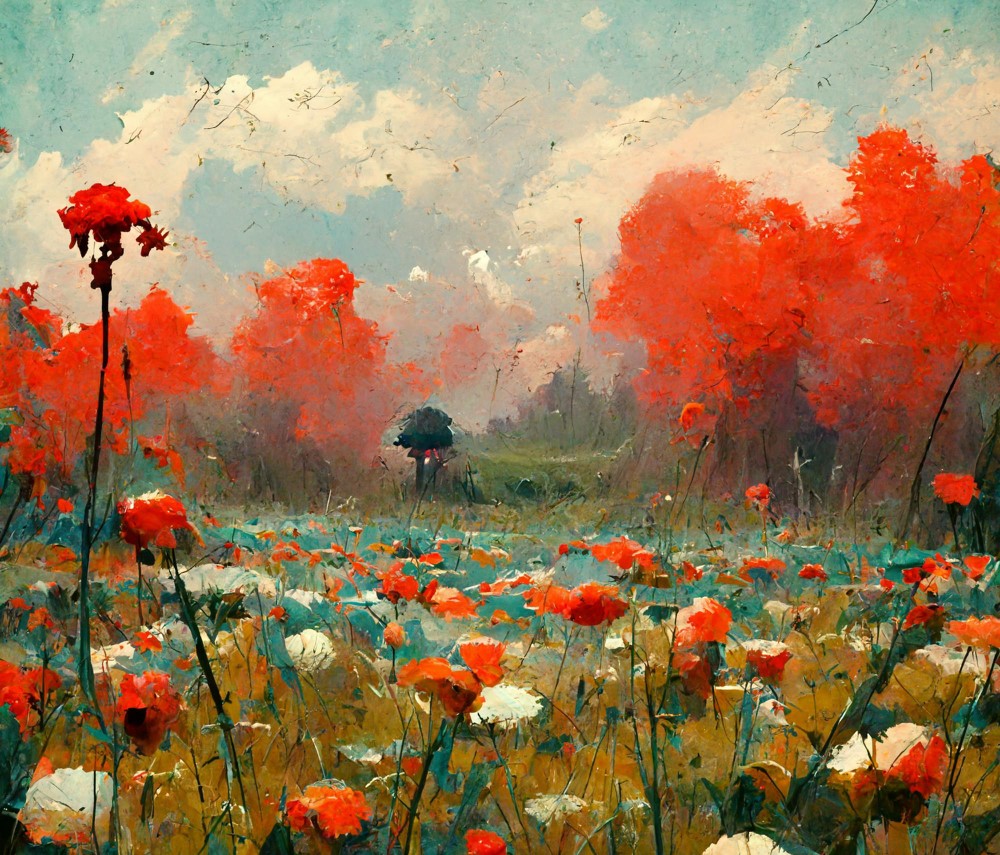
Hang your memories on the wall
– Testimonial
Customers Feedback

"Highly Recommended"
Adipiscing elit maecenas vel egestas leo borbi non sollicdin nisi vurabitur id lectus ut ligula iaculis laoreet ..."Highly Recommended"
Adipiscing elit maecenas vel egestas leo borbi non sollicdin nisi vurabitur id lectus ut ligula iaculis laoreet tincidunt eget lorem. Nam eget enim et justo bibendum pulvinar.

"Best and Fast Services"
Adipiscing elit maecenas vel egestas leo borbi non sollicdin nisi vurabitur id lectus ut ligula ..."Best and Fast Services"
Adipiscing elit maecenas vel egestas leo borbi non sollicdin nisi vurabitur id lectus ut ligula iaculis laoreet tincidunt eget lorem. Nam eget enim et justo bibendum pulvinar.

"Best Quality Services"
Adipiscing elit maecenas vel egestas leo borbi non sollicdin nisi vurabitur id lectus ut ligula iaculis ..."Best Quality Services"
Adipiscing elit maecenas vel egestas leo borbi non sollicdin nisi vurabitur id lectus ut ligula iaculis laoreet tincidunt eget lorem. Nam eget enim et justo bibendum pulvinar.

"Very Humble Team"
Adipiscing elit maecenas vel egestas leo borbi non sollicdin nisi vurabitur id lectus ut ligula iaculis ..."Very Humble Team"
Adipiscing elit maecenas vel egestas leo borbi non sollicdin nisi vurabitur id lectus ut ligula iaculis laoreet tincidunt eget lorem. Nam eget enim et justo bibendum pulvinar.

"Excellent Servcies"
Adipiscing elit maecenas vel egestas leo borbi non sollicdin nisi vurabitur id lectus ut ligula iaculis laoreet ..."Excellent Servcies"
Adipiscing elit maecenas vel egestas leo borbi non sollicdin nisi vurabitur id lectus ut ligula iaculis laoreet tincidunt eget lorem. Nam eget enim et justo bibendum pulvinar.

"Best Photography Service"
Adipiscing elit maecenas vel egestas leo borbi non sollicdin nisi vurabitur id lectus ut ligula iaculis ..."Best Photography Service"
Adipiscing elit maecenas vel egestas leo borbi non sollicdin nisi vurabitur id lectus ut ligula iaculis laoreet tincidunt eget lorem. Nam eget enim et justo bibendum pulvinar.